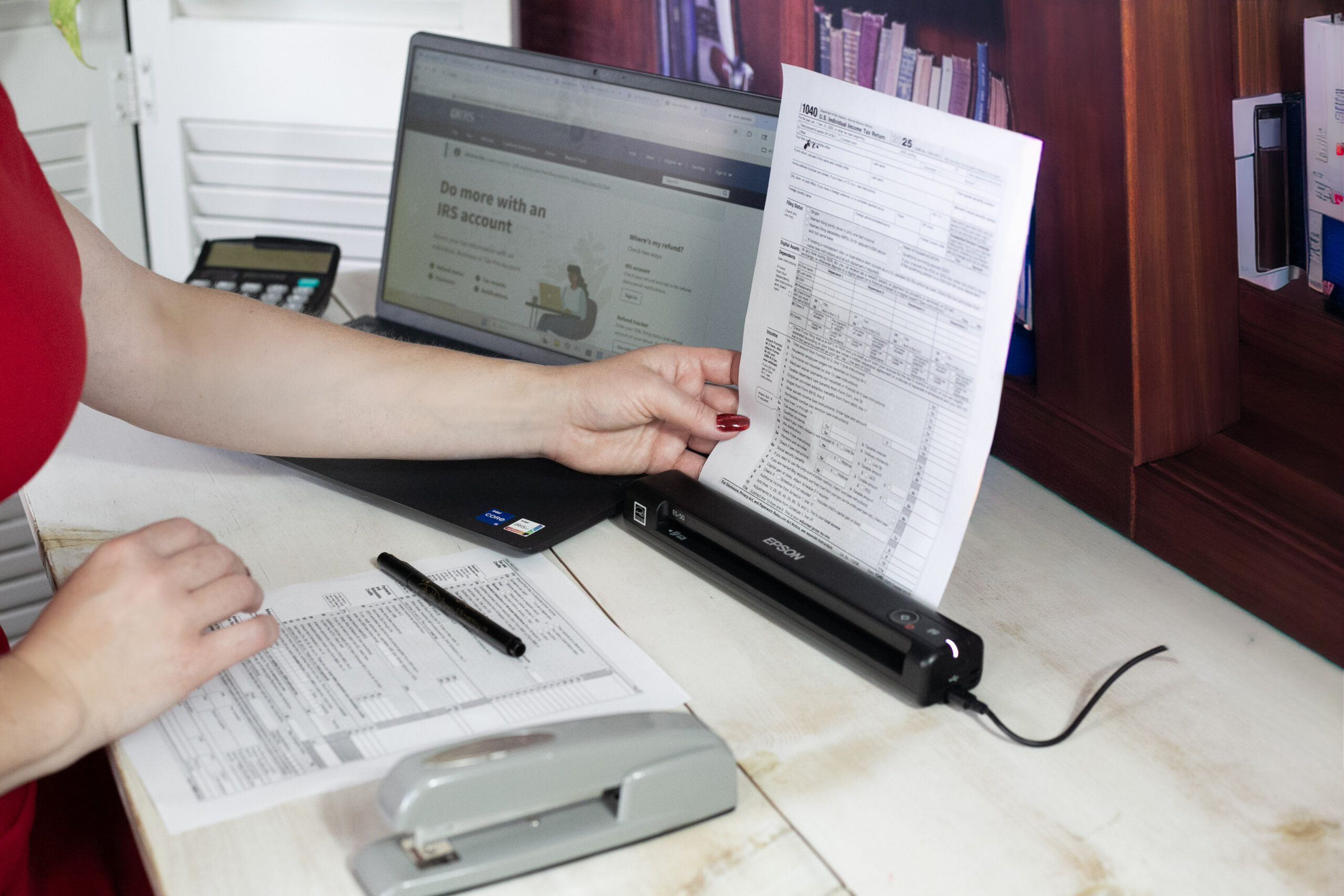
If you don’t file your federal tax return, the IRS charges a failure-to-file penalty of 5% per month (up to 25%), adds interest on any unpaid tax, and can eventually file a return for you that leaves out every deduction in your favor. If you were owed a refund, you have three years to claim it before it’s gone. The longer you wait, the more it costs. Below is exactly what happens, what’s different for Florida residents, and how to fix it if you’re already behind.
The numbers that matter
5%
what the IRS adds to your unpaid tax for each month a return is late, the failure-to-file penalty.
3 years
how long you have to claim a refund before it’s gone for good.
25%
the ceiling that penalty climbs to.
$400
net self-employment income that requires you to file, even in no-income-tax Florida.
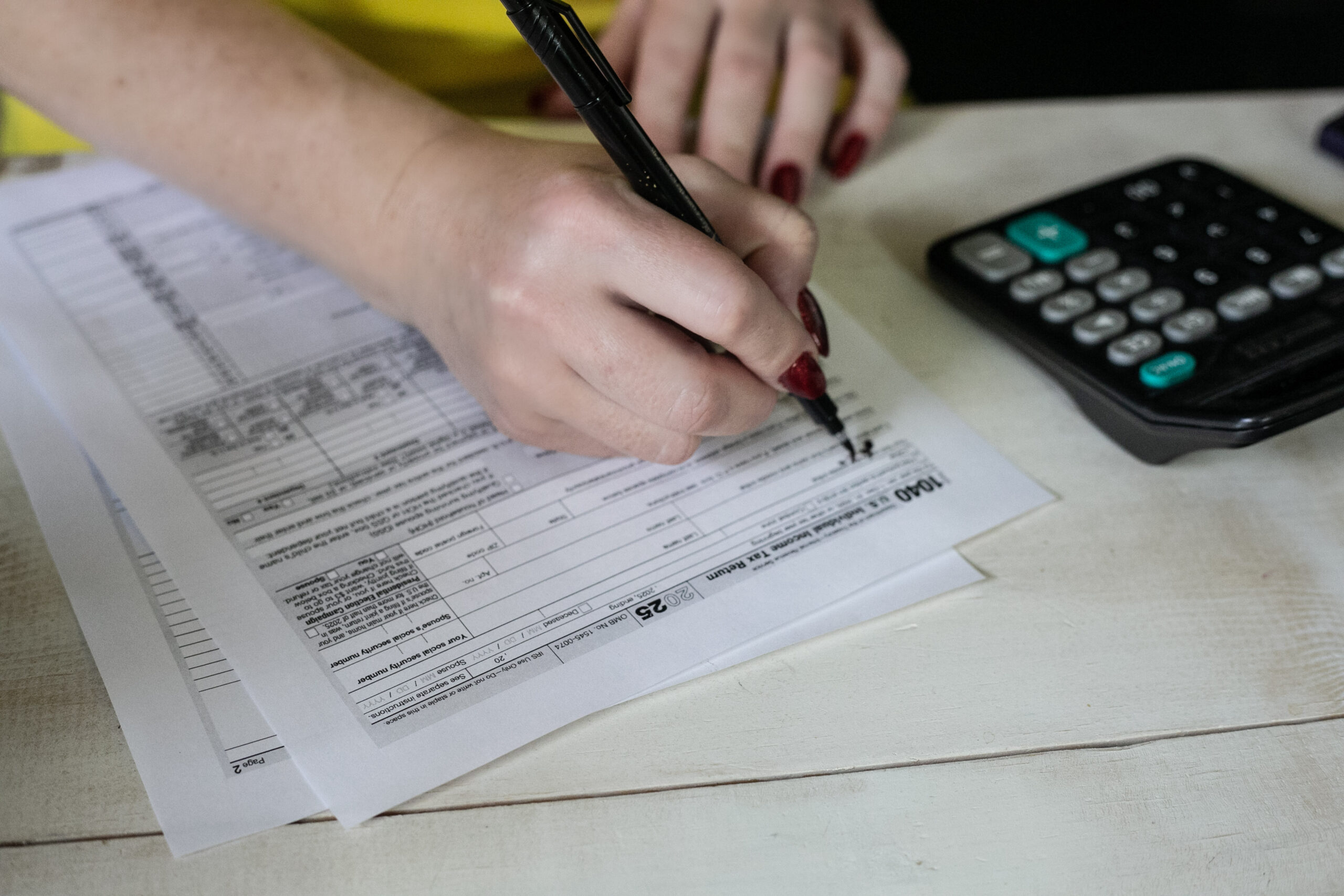
What the IRS does when you don’t file
Not filing and not paying are two separate problems, and the penalties stack.
Failure-to-file penalty. This is the big one. The penalty is 5% of the tax due for each month or part of a month your return is late. It accrues up to a maximum of 25%.
Interest on what you owe. Interest starts the day the return was due and keeps adding up until the balance is paid. It compounds daily, so a small balance from a few years back is rarely still small.
You lose your refund. If you miss the filing window, you may forfeit your eligibility to receive the refund.
Collection actions. Once a balance is assessed, the IRS can move to collect it through liens, levies, or wage garnishment. This usually comes after a series of notices, which is why the first letter in the mail is the moment to act, not ignore.
The IRS files for you. If you don’t file long enough, the IRS can prepare a Substitute for Return on your behalf. It uses the income reported under your Social Security number (W-2s, 1099s) and gives you the standard deduction and nothing else. No itemized deductions, no business expenses, no credits. The result is almost always a much higher tax bill than if you’d filed yourself.
Does living in Florida change anything?
Florida has no state income tax, so there’s no state return to worry about and no state refund to lose. That part is genuinely simpler than in most states.
But “no state income tax” trips a lot of people up, because it sounds like taxes are less of a concern here than they really are. Your federal obligation is exactly the same as everywhere else. A few Florida-specific situations come up again and again:
Self-employed and gig workers. Florida runs on construction, tourism, real estate, and service work, and a lot of that income arrives as 1099s or cash. If your net self-employment earnings are $400 or more, you’re required to file, even if you owe no income tax, because of self-employment tax. Plenty of first-year freelancers and contractors don’t know this until a notice shows up.
Retirees. Florida draws a large retiree population, and many assume that Social Security, pension income, and IRA withdrawals don’t need to be reported. Depending on your total income, a portion of Social Security can be taxable, and IRA and pension distributions usually are. The result is people who think they’re done filing when they aren’t.
Florida part-year residents. Spending part of the year in Florida doesn’t remove your federal filing requirement, and it can create questions about residency for the state you left. If you moved here from a state that does have an income tax, that prior state may still want a return for part of the year.
What to do if you haven’t filed in years
If you’re a year, three years, or more behind, the situation is fixable. It almost always goes better when you come forward before the IRS comes to you.
Pull your records. You can request wage and income transcripts from the IRS that show the W-2s and 1099s reported under your name for past years. That tells us what the IRS already knows.
File the oldest returns first. Filing the actual returns, with your real deductions and credits, usually lowers the balance the IRS calculated on its own.
Deal with the balance. If you owe more than you can pay at once, you may qualify for an installment agreement. In many cases multiple years can be combined into a single monthly payment.
Stay current going forward. Once you’re caught up, the goal is to not fall behind again, which often means setting up quarterly estimated payments if you’re self-employed.
“ I had a client who already owed the IRS from a prior year and hadn’t filed the two years after that. Once we filed the back returns, there was more due. I called the IRS and combined all three years into one installment agreement, so instead of juggling separate balances they had a single monthly payment they could actually manage.“
– Victoria Oliferovskaya, IRS Enrolled Agent
Frequently asked questions
What happens if I don’t file but I don’t owe anything?
There’s no failure-to-file penalty when you don’t owe, since the penalty is based on unpaid tax. But if a refund was due to you, you only have three years to claim it before it’s gone.
Can the IRS put me in jail for not filing?
For the vast majority of people, no. Failure to file is handled as a civil matter with penalties and interest. Criminal charges are reserved for deliberate tax evasion and fraud, not ordinary late filers.
I’m self-employed in Florida and made a little money. Do I really have to file?
If your net self-employment income is $400 or more, yes. That threshold is much lower than people expect, and it applies even though Florida has no state income tax.
I just got a notice from the IRS. What’s the first thing I should do?
Don’t ignore it, and don’t panic. Read what it’s actually asking for, and check the deadline on the letter. Most notices have a response window, and responding on time keeps your options open.
We help Florida residents get caught up
We prepare back taxes and unfiled returns for clients in Bradenton, Sarasota, and across the country. As a federally licensed enrolled agent, Victoria can also represent you directly before the IRS if there’s a balance, a notice, or a payment plan to sort out. If you’re behind and not sure where to start, call us at 941-500-3196 and we’ll walk you through it.
Phone: 941-500-3196 Email: [email protected]